This is the fourth in a short series inspired by a question from one of our subscribers. If you have a question or a topic you would like us to explore, send it our way.
Our son really liked to play soccer (still does). When he was in elementary school, he asked if he could try out for a travel team, and once we ran through a family conversation about commitment and time and practice, he tried out. Over the course of a couple of years, it became clear that our son was a pretty good soccer player. So much so, that if he had wanted to, he could have been admitted to some more competitive teams and leagues. Gabriele and I talked about how much to push him to strive for more. And then after a few conversations with our son, we realized: he was having a great experience that he was creating for himself. He was participating fully, taking practice seriously and really showing up. He did not want or need to be “pushed”. Our job was to take our cues from him, provide support when he had a rough game or practice, and stay out of the rest of it.
So, when parents ask us “How hard should I push my kid to…?” let’s name this first: “push” is the wrong verb. Push sneaks in a bad model of how kids get good at things.
There are two familiar ways to get this wrong, and they look like opposites. One is pressure: high standards with a heavy hand, the parent driving, the child performing under load. The other is hands-off: warmth and freedom but no real expectations, the parent afraid to ask for anything hard. Pressure produces compliant, anxious kids who often flame out the moment the pressure lifts. Hands-off produces kids who never find out what they are capable of. Both lose.
The stance that actually works
What works sounds like a contradiction until you have seen it: high standards and high support at the same time, with the child’s autonomy left intact. Hold a real bar. Believe out loud that they can clear it. Then hand them the how. Not do it because I said so, and not do whatever you want, but I know this is hard, I know you are capable of hard things, and I am here while you figure out your way through it.
There is a name for this, coined by Judith Kleinfeld in 1975, writing about the teachers who got the most from their students. She called them “warm demanders”, and fifty years of research on how young people respond to adults has carried the term forward for good reason. High expectations paired with high support outperforms both authoritarian pressure and permissive drift. The standard says I take you seriously. The support says I am on your side. Remove either and the whole exercise collapses. Standards without support is just pressure. Support without standards is abdication.
Here is what it looks like at home. Your kid is stuck on a hard assignment and wants to quit. The pressure version takes over the problem or threatens a consequence. The hands-off version shrugs and says fine, skip it. The warm demander does neither. They say, this is hard and I am not going to do it for you, and I completely believe you can figure it out, so what is your first move? And then they stay. Not hovering over the page, not feeding the next step, close enough that the kid is not alone with it. High bar, real support, and the kid’s hands still on the wheel.
It matters that the standard is real and specific, not a vague demand to be impressive. “Finish what you started this season” is a standard. “Try your best” is not, because nobody can tell when they have met it (can you?), and it quietly means ‘be better’ in a way I will define later. A clear bar is something a kid can actually clear and feel the satisfaction of clearing. A moving bar just teaches them they can never quite arrive.
This is the part the research keeps underlining. Believing in a child moves them only when there is a real, reachable next step in front of them to take. Belief with nothing to try goes nowhere. Kids need a clear goal and structured support to achieve it.
Why pushing backfires
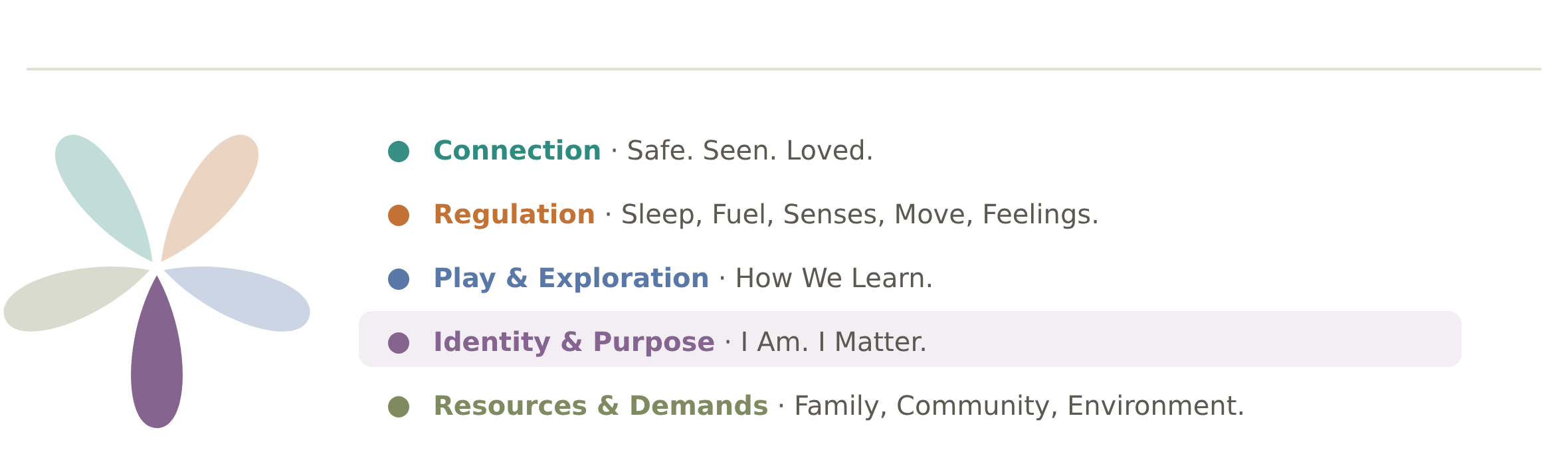
Here’s the reason pressure so often produces the opposite of what you wanted. Every activity a kid does carries a value and a cost. The value is what they get out of it: enjoyment, mastery, meaning, belonging. The cost is what it takes out of them: effort, anxiety, the things they gave up to do it. A kid keeps doing something when the value outruns the cost. (Remember the fifth pillar of FCD? We want the net of Resources and Demands to be positive in favor of resources. It won’t always be, but if you’re going to put your finger on the scale, which side are you doing it on?)
Pushing from parents raises the cost (aka Demands). Every time you lean on the activity, the nagging, the stakes, the disappointment hanging over a bad practice, you add weight to the cost side of the ledger. Lean hard enough and you flip the balance. The kid who used to like the thing now experiences it mainly as the site of pressure, and starts to avoid it. You did not build motivation. You taxed motivation until it ran dry. The activity was fine. The pushing is what poisoned it.
Rewards are pressure in a nicer outfit
The same trap catches the gentler version, the one that feels like encouragement: paying for grades, escalating rewards, a trophy for everything. When you attach an external payment to something a child already did for its own sake, you quietly rewrite why they are doing it. The activity stops being something they want and becomes something they get paid for. And the day the payment stops, so does the wanting.
I watched a version of this as an adult, inside a system I helped build. Years ago I championed performance pay for teachers, bonuses tied to test scores, meant to reward excellence. Then a genuinely excellent teacher at my own kid’s school started changing how she taught to chase the bonus. The reward did not add to her craft. It bent it, and narrowed it. That is the same trap operating on a grown professional. It works exactly the same way on an eight-year-old and a spelling test. When you pay for the thing, you get less of the love of the thing.
None of this means rewards are evil or that structure is the enemy. A family that plays music together, a coach who runs an engaging practice, an allowance tied to shared household work are all fine. The trap is narrow and specific: paying a child to do the very thing they already loved trades a durable motive for a disposable one. Keep the payment away from what they do for its own sake, and the love stays intact.
The worry I hear next often breaks in one direction. If I stop pushing, won’t my kid just coast? And the answer is: sometimes, for a while. A kid who has been pushed hard often needs a stretch of looking idle while they work out what they want when the pressure is not choosing for them. That lull is not failure. It is the sound of the engine switching from your fuel to theirs. It might be uncomfortable to sit through and it’s usually the most important part.
So here is the replacement for how hard should I push. You do not push. You hold a standard and you hand over the wheel. Keep the bar high, because a high bar is a form of respect. Keep the how in your child’s hands, because that is the only place motivation can actually live. Warm and demanding at the same time. It’s harder than pushing. It also works.
Try This
Standard, Then Wheel
Pick one area where you have been pushing: homework, an instrument, a sport, a habit. This week, split your role deliberately into two parts.
First, name the standard once, plainly and warmly. "In our family we finish what we commit to for the season." "I expect real effort here, because I know you have it in you." Say it as belief, not threat. Then stop. Second, hand over the how. Ask, do not instruct: what is your plan for getting this done? What would help? How do you want to handle the days you do not feel like it? Their plan will not be your plan. Let it be theirs anyway, and let them adjust it when it does not work.
You are holding the bar and releasing the steering at the same time. Watch for the reflex to grab the wheel back the moment their approach differs from yours. That reflex is the push in disguise. The whole exercise is keeping the standard while letting go of the method.
NOTE: For families with neurodivergent kids, the standard can stay clear, but the path forward may need to be more flexible, and it might need to accommodate a nervous system that is already depleted in the form of more support or temporarily lowered demands.
Consider This
Think of something you are genuinely good at as an adult, something you chose. Now ask: would you still love it if someone had spent your childhood paying you for it, correcting your every move, and hanging their disappointment over your bad days? Sit with what actually kept your motivation alive, and whether your child is currently getting that same thing from you, or the opposite.
Want the research behind this post? Read the Dive Deeper: Stop Pushing -- the mentor-mindset trials, the cost side of motivation, and the evidence on rewards, with limits noted.
Every Functional Child Development post comes with a Dive Deeper companion. Subscribe for the full picture.