The game ends badly, or the homework does. There is a blowup and a flung pencil, and in the next sixty seconds you will make two decisions on almost no data. Whether to step in, and what this episode says about your kid. You may need to act right away to keep someone safe. The verdict can wait. Frustration can interfere with the very abilities you are trying to assess.
The tax
Researchers can produce the frustration tax in a lab. Make a computer task harder until children keep losing points, then watch what happens to their thinking. In one study of 105 children aged eight to twelve, frustration rose, along with impulsive errors and unusually slow responses. The changes were similar in the ADHD and typically developing groups. Difficulty thinking clearly under frustration was not confined to the children with a diagnosis.
And the difficulty can outlast the provocation. In another study, 294 children and adolescents completed a task with baseline, frustration, and recovery rounds. The most dysregulated group performed worse than the other groups during frustration and remained less accurate during recovery, when they were earning points again. Yet they did not report feeling more frustrated than the other children. How upset a child says they feel may not tell you how ready they are for the next demand.
Recovery also changes as children grow. Researchers followed 120 children from age two to five, coding their responses second by second during a frustrating eight-minute wait. The timing of distress and coping changed with age, in a pattern more complicated than simply having smaller feelings. To understand regulation, we need to watch what happens over time. How does the child get back, and what helps?
The belief we went looking for
There is a durable belief that children need to be made to lose, allowed to fail, handed frustration in doses, so they toughen up. The evidence often used to support that idea asks several different questions. One randomized study exposed twenty juvenile squirrel monkeys to brief separations from their social group and later found signs of greater stress resistance. It tested separation in monkeys, not losing in children.
A human study followed preschoolers exposed to different levels of conflict between their parents. Its authors saw limited support for a toughening effect, but the apparent benefit at low levels of conflict was not statistically clear. Neither study tells us that arranging extra losses will help a child handle frustration.
The classroom research on trying problems before instruction is more directly useful to teaching. Students can learn more from a lesson after attempting a problem themselves. Those studies assess learning, though. Better understanding of mathematics cannot stand in for evidence of better emotional regulation.
That leaves us without a research-backed dose of hardship to supply at home. It also leaves us without a case for removing every challenge. Life will supply losses on its own generous schedule. When one arrives, we can help a child recover, work out what happened, and try again when they are ready.
What Quiet Can Hide
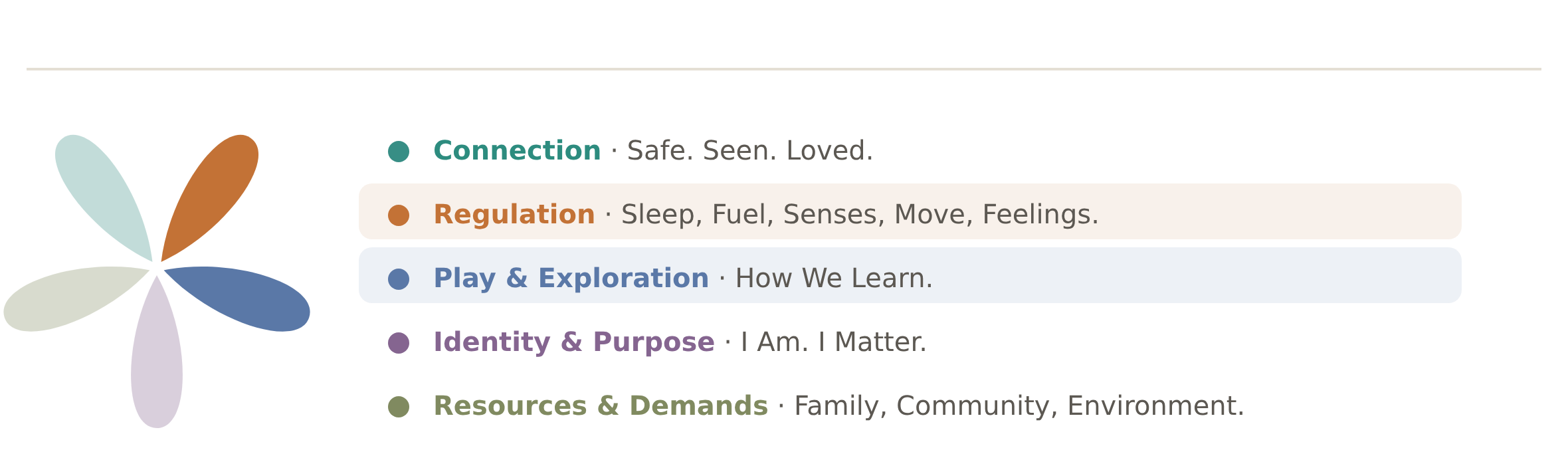
It also matters where a child starts. In the recovery study, the most dysregulated children showed a pattern of heightened physiological arousal even during the nonfrustrating parts of the task. Through our Resources & Demands lens, that’s a reason to notice the balance before something goes wrong. What demands is the child already managing, and what resources do they have available to meet them? A visible spike may come on top of an already difficult day.
For some children, the difficulty is easiest to miss when they stop participating. In a frustrating tracing task, children with ADHD were more likely to quit than other children, despite similar task performance and reported distress. Most of the typically developing children eventually quit too. Leaving a difficult task can mean several things; the quiet child deserves our curiosity as much as the child who shouts.
For an autistic child, too, a quiet surface may give you little to go on. Look at the demand, the sensory conditions, and what you know about this child’s signs of overload. Ask what would help, in a form they can answer. Sometimes leaving an unwinnable game is the regulated response.
The minutes after are part of the episode. They give you a chance to see what returning to regulation looks like for this child, and how your support affects it. Hold off on grading the peak. Watch the return.
Try This
Notice the Return
For one week, pay attention to what happens after a loss or blowup. Keep everyone safe and stay available. Once the immediate problem is contained, give your child time to recover before talking through what happened or asking them to do anything that can wait. Notice what seems to help your child recover, whether it is movement, food, quiet, a pet, or you nearby without much talking. Let your child’s response guide the timing.
Jot down what you offered and when your child could engage again. Ask later what helped and what did not. Across a few episodes, you may start to see a pattern worth using next time. If recovery is unusually difficult or these episodes are disrupting daily life, bring those observations to someone who can help you understand them.
Consider This
Somewhere in your own childhood, an adult watched you lose at something and drew a conclusion. Was it drawn at your worst minute, or at your best recovery? Most of us were graded at the peak. It is worth wondering what that grade cost, and what it would have meant to be watched, instead, all the way back.
Want the research behind this post? Read the Dive Deeper: Watch the Recovery -- the frustration studies, the recovery evidence, and what the toughening and struggle research can tell us, with limits noted.
Every Functional Child Development post comes with a Dive Deeper companion. Subscribe for the full picture.